The journal
What is the diameter of a 45 lb barbell?
Most 45 lb barbells have a 28 mm shaft if they’re Olympic weightlifting bars; many 45 lb power bars are 29 mm. Here’s how to measure the shaft correctly and confirm plate compatibility.
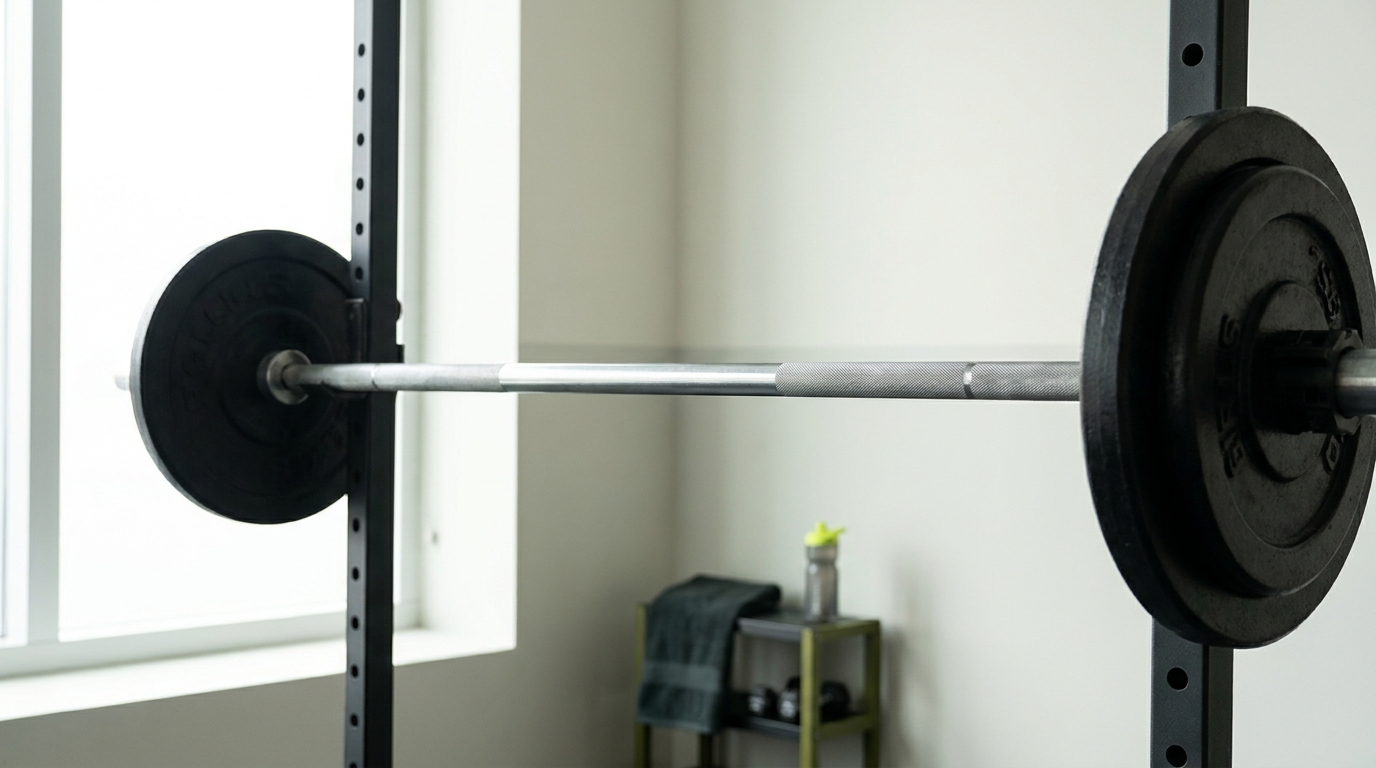
There is no single shaft diameter for a 45 lb barbell. Common weightlifting bars use a 28 mm shaft, general-purpose bars may use 28.5 mm, and many power bars use 29 mm. A 20 kg bar weighs about 44.1 lb, so it is not exactly a 45 lb bar. To be sure, measure the shaft itself, not the sleeve that holds the plates Gopher Sport: Weightlifting Bar Anatomy Training Station: Olympic Bar Types.
What people mean by a “45 lb barbell”
Gym shorthand sometimes groups 45 lb and 20 kg bars together, but their nominal masses differ. A men’s 20 kg weightlifting bar is typically 2.2 m (about 86.6 in) long and built for Olympic plates. Typical shaft diameters are 28 mm for weightlifting bars and 29 mm for powerlifting bars Training Station: Olympic Bar Types Gopher Sport: Weightlifting Bar Anatomy.
How to measure barbell diameter (shaft, not sleeve)
Tools and a quick approach
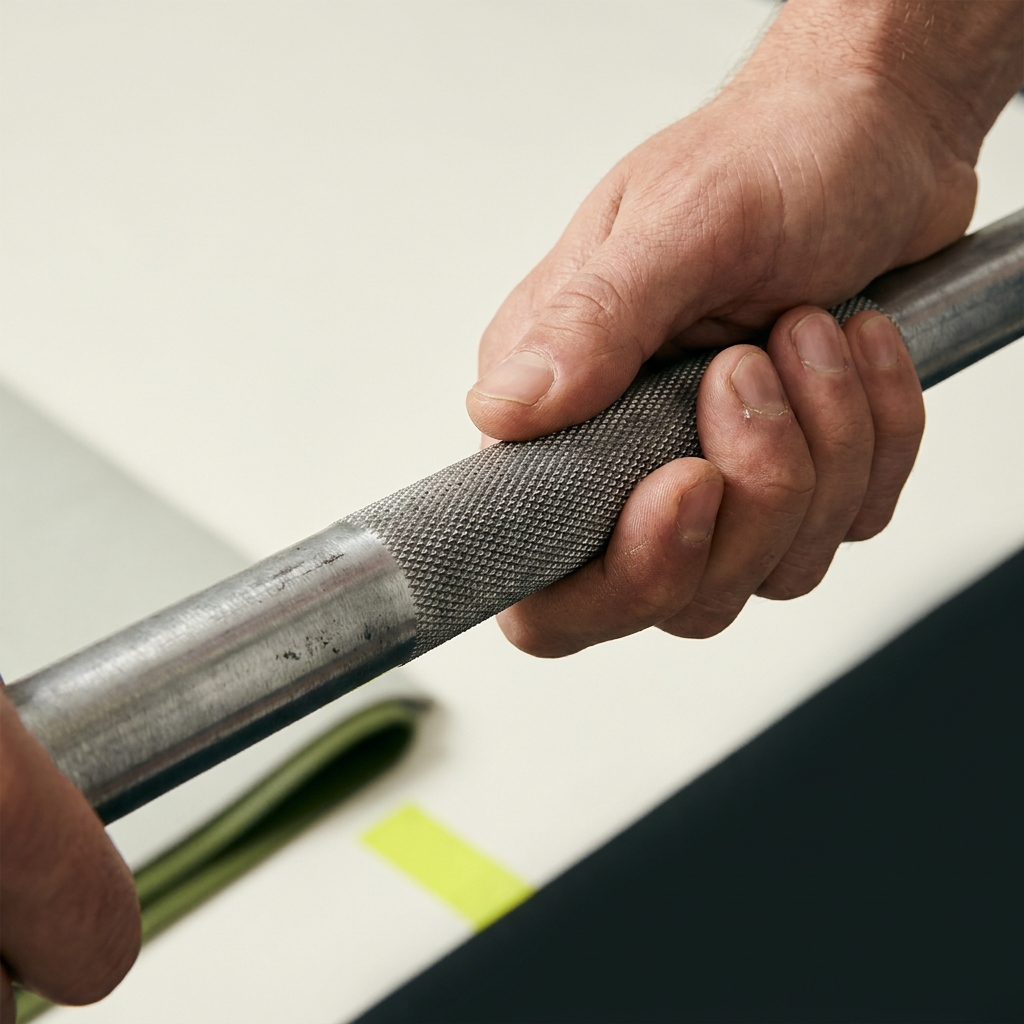
- Best accuracy: a digital or dial caliper.
- Acceptable estimate: a small ruler held straight across the shaft.
- No tools? Wrap a string around the shaft to get circumference, then divide by 3.1416 for diameter.
Step-by-step
- Find a smooth, non-knurled section of the shaft. Wipe off chalk or oil.
- Place the caliper jaws directly across the shaft and close gently until they touch. Read in millimeters.
- If using a ruler, sight straight across the circle. If using string, measure the string length and divide by 3.1416.
- Compare your reading to typical specs: ~28 mm (Olympic weightlifting), 28.5 mm (hybrid), ~29 mm (power bar) Gopher Sport: Weightlifting Bar Anatomy.
Worked example: if your caliper reads 28.5 mm, that’s about 1.12 inches (28.5 ÷ 25.4).
Typical diameters by common bar type
- Men’s 20 kg Olympic weightlifting bar (about 44.1 lb): typically 28 mm shaft Gopher Sport: Weightlifting Bar Anatomy.
- Power bar (often also 45 lb): commonly 29 mm shaft for added stiffness Gopher Sport: Weightlifting Bar Anatomy.
- Women’s Olympic bar (15 kg/33 lb): typically 25 mm shaft and the same plate sleeves as men’s bars Training Station: Olympic Bar Types.
- Hybrid/general-purpose training bars: often around 28.5 mm to balance whip and rigidity Gopher Sport: Weightlifting Bar Anatomy.
Sleeve diameter vs shaft diameter
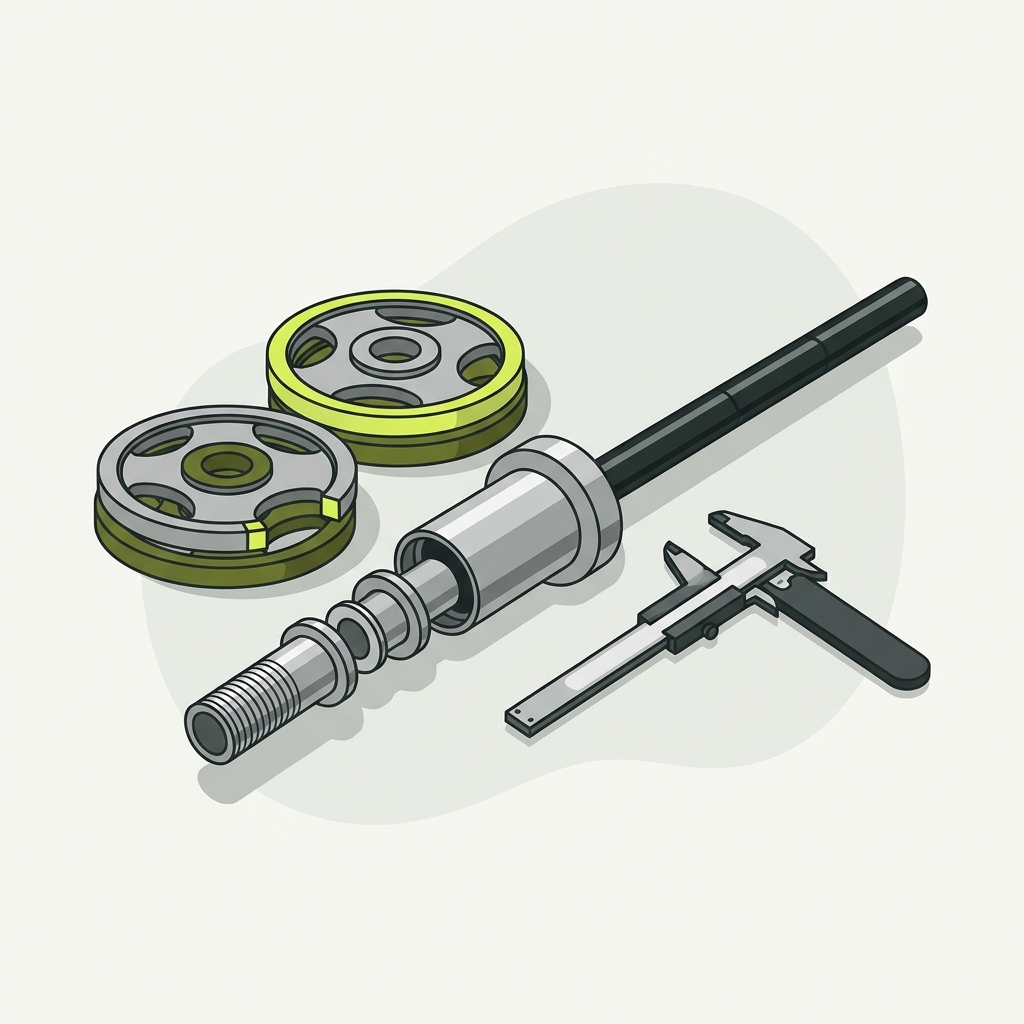
The plate-loading sleeves on Olympic bars are about 50 mm in diameter and take Olympic plates. That sleeve size is different from the shaft diameter you grip. Standard (non-Olympic) plates have ~25 mm holes and do not fit Olympic sleeves Wikipedia: Weight plate.
Related reading: Are 45 pound plates actually 45 pounds?
Why diameter matters
- Grip feel: Smaller diameters let more fingers wrap securely; larger feel fuller in the hand.
- Bar behavior: Around 28 mm tends to allow more “whip” for Olympic lifts, while ~29 mm feels stiffer for squats, bench, and heavy pulls Gopher Sport: Weightlifting Bar Anatomy.
Measure and confirm your bar’s diameter
A broader explainer if you’re organizing a home setup
If you’re planning storage and layout, see whether a plate rack will actually save floor space in your room: Do plate racks save space in a home gym?
Short FAQ
Is there one standard diameter for a 45 lb bar?
Not exactly. Many men’s Olympic bars are 28 mm, while many power bars are 29 mm. Hybrids often land around 28.5 mm. Check the spec sheet or measure your bar Gopher Sport: Weightlifting Bar Anatomy.
How can I tell 28 mm from 29 mm without a caliper?
Wrap a non-stretch string once around the shaft, mark where it meets, measure the string, then divide by 3.1416. About 87.96 mm circumference equals 28 mm; about 91.11 mm equals 29 mm.
Do women’s 15 kg bars use the same plates?
Yes. Women’s bars have 25 mm shafts but the same Olympic sleeves, designed for ~50 mm plate holes Training Station: Olympic Bar Types Wikipedia: Weight plate.