The journal
Is it better to lift weights or use resistance bands?
A clear, practical answer to whether weights or resistance bands are better, with specific guidance for band pull-aparts: choosing band length, setting resistance, and safe-use tips.
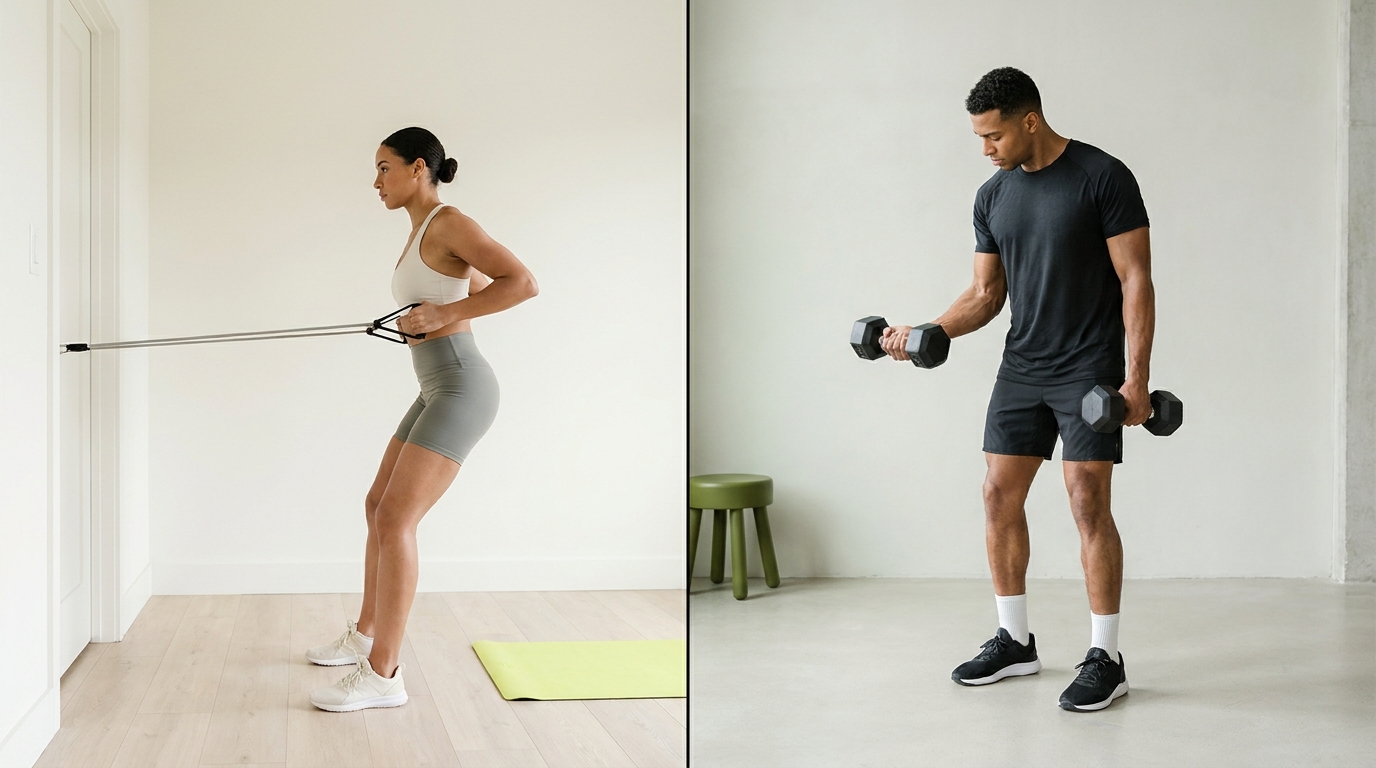
Short answer: neither is universally better. Both free weights and resistance bands can build strength and muscular endurance. Performance Health summarizes research showing muscle-activation comparisons for particular exercises; those comparisons alone do not establish identical long-term strength or muscle growth when you use appropriate resistance (Performance Health THERABAND FAQ). For band pull-aparts and other horizontal pulling patterns you can do anywhere, bands are often the most practical choice: they are portable and easy to adjust on the fly (Performance Health THERABAND FAQ; NCHPAD: Strengthening with bands and weights).
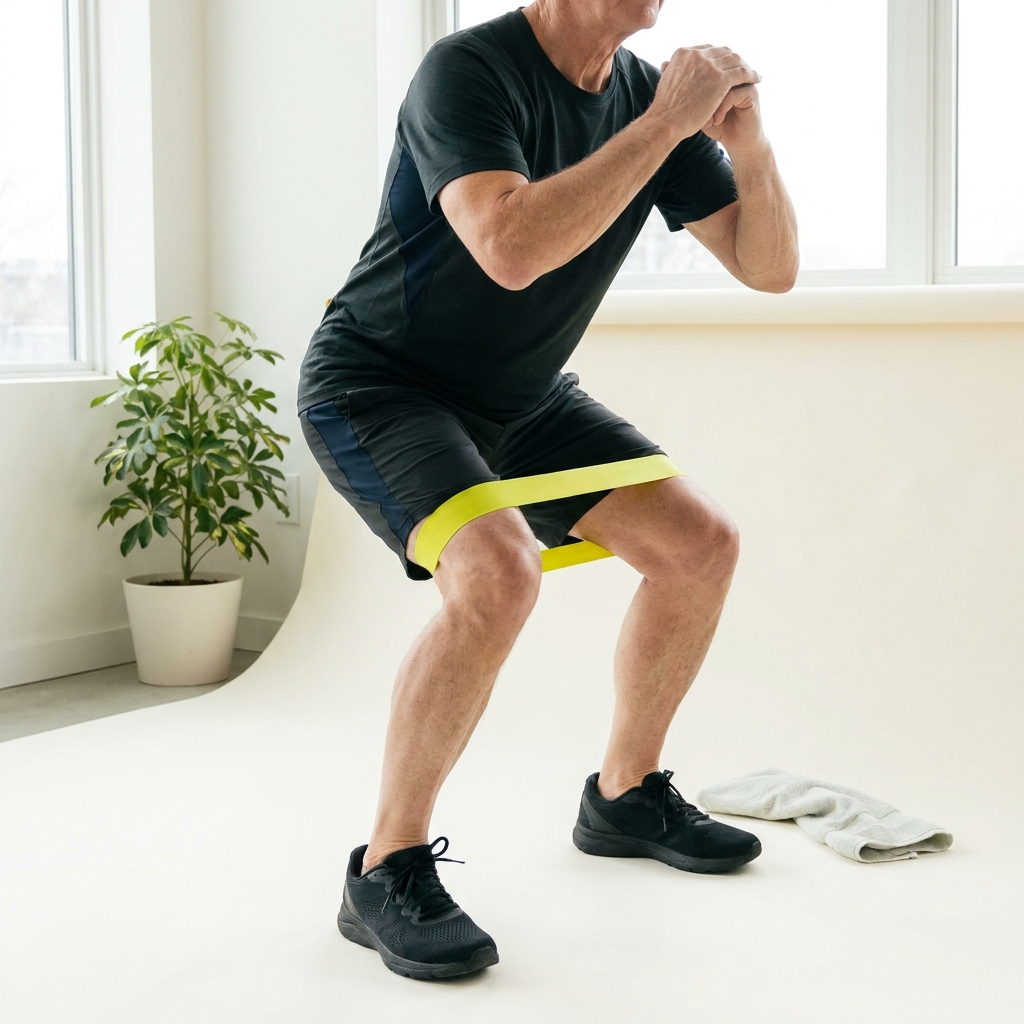
When a resistance band is the better pick (especially for pull-aparts)
- Portable and travel friendly. Bands fold into a bag and don’t add baggage weight the way dumbbells do (Performance Health THERABAND FAQ).
- Easy to tune resistance without swapping equipment. You can increase band resistance by shortening the distance between your hands or folding the band, and decrease it by widening your grip (NCHPAD).
- Practical length guidance for pull-aparts. A pre-cut 5 ft flat band works for most people; make sure the band isn’t too short or you increase break risk. As a general guide, use a length suited to the limb or movement you’re training (Performance Health THERABAND FAQ).
- Know how band resistance behaves. Force increases as the band lengthens; within the cited THERABAND product line, the same specified band produces comparable force at the same percent elongation (Performance Health Support: Latex Bands).
How to set up band pull-aparts: a simple, safe method
- Start length: use a 5 ft flat band if available. Inspect for any cracks or abrasions before use (Performance Health THERABAND FAQ).
- Grip and slack: hold the band at about shoulder width with slight slack so you can complete a comfortable full range of motion, then fine-tune by moving your hands closer (harder) or farther apart (easier) (NCHPAD).
- Stay within safe stretch: keep well below the maximum 300% elongation limit (no more than 4x resting length); bands may break if over-elongated (Performance Health THERABAND FAQ). Because force rises with stretch, small grip changes can meaningfully adjust difficulty (Performance Health Support: Latex Bands).
For other upper-back options similar to pull-aparts, NCHPAD shows band reverse flys and rows, which also adjust easily by hand spacing and band length (NCHPAD).
When free weights may suit you better
- A dumbbell’s mass remains fixed while a band’s tension changes with extension. The joint demand of either exercise still depends on position and technique; choose an appropriate variation (e.g., upright rows, front raises, shrugs, or rows). NCHPAD demonstrates many of these free-weight options alongside band versions so you can choose what fits your setup and comfort (NCHPAD).
- If you already train with weights, bands also make an effective warm-up before heavier lifting sessions (Performance Health THERABAND FAQ).
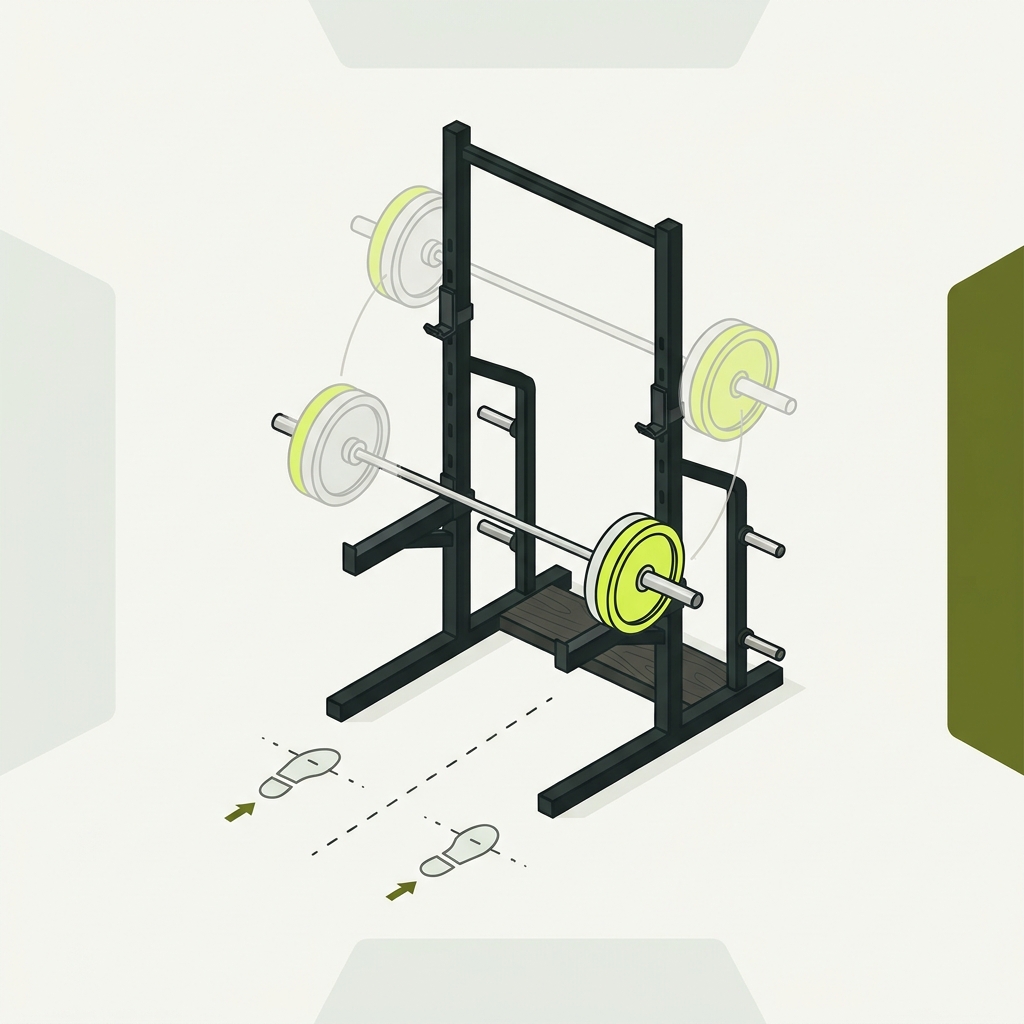
Safety and care differences that matter
- Inspect bands before every session and replace at the first sign of wear (cracks, small tears, abrasions), especially near connection points (Performance Health Support: Band Kits).
- Do not exceed 300% elongation (no more than four times resting length). Protective eyewear is recommended during use (Performance Health THERABAND FAQ; Performance Health Support: Latex Bands).
- With heavy, frequent clinic-style use, follow that exact product’s replacement guidance and replace damaged equipment sooner (Performance Health Support: Band Kits).
Putting it together
Use the tool that best matches your goal, space, and preferences. For pull-aparts and other horizontal pulls you can do anywhere, a 5 ft flat band and smart hand spacing give you reliable, adjustable resistance. If you prefer fixed-load free-weight moves for the same muscle groups, pick dumbbell variants you can perform with control. Both paths work when you progress the difficulty sensibly and move through a comfortable range of motion (Performance Health THERABAND FAQ; NCHPAD).
Put this into practice
Choose one goal and the movements you can perform consistently before comparing equipment. Compare the actual resistance progression and setup available to you rather than treating bands and weights as interchangeable loads.
Quick setup checklist for band pull-aparts
Related reading on Brand Rep & Range
- How to choose weight for resistance bands: a practical selection method
- How often should resistance bands be checked?
FAQ
How long should my band be for pull-aparts?
A pre-cut 5 ft band works for most people, and you can fine-tune difficulty by changing hand spacing. Ensure the band isn’t too short, which raises break risk (Performance Health THERABAND FAQ).
Are bands really as effective as weights?
Both can be useful, but similar muscle activation in an exercise does not prove identical training outcomes. Choose equipment that suits your plan and lets you progress with control (Performance Health THERABAND FAQ).

If the equipment decision is also a schedule decision, Talk About Sleep discusses exercise and sleep timing. Neither bands nor weights guarantee a better night. Exercise and sleep: does the time of day matter?.