The journal
Is it better to lift weights at night or in the morning?
Compare morning and evening lifting against your schedule, consistency, comfort and sleep. Keep the planned workload similar while deciding which time you can repeat.
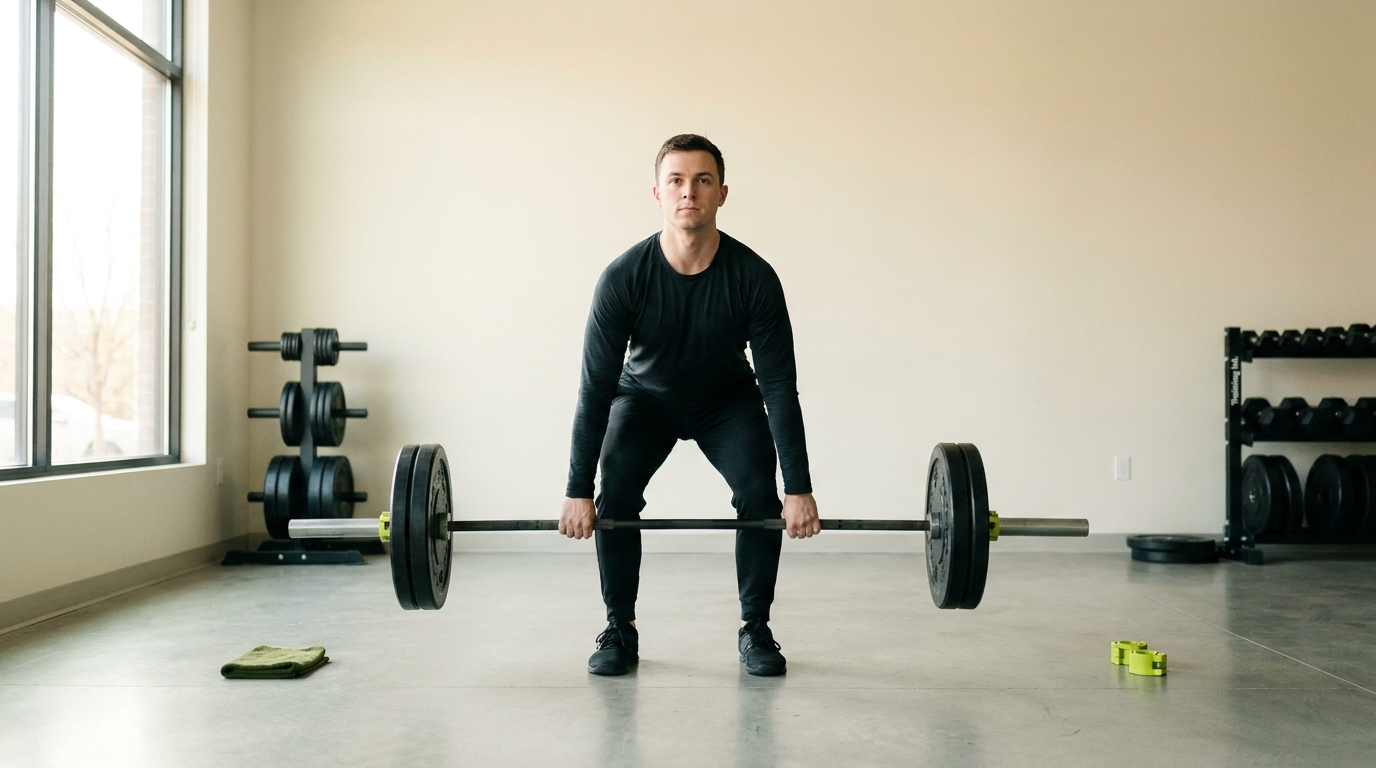
How to choose your lifting time
- If you want consistency or better sleep: morning often helps you avoid distractions, beat the heat outdoors, and may improve sleep quality in some studies. Healthline: morning exercise benefits and timing research (https://www.healthline.com/health/exercise-fitness/working-out-in-the-morning).
- If you want peak performance: many people feel stronger and more coordinated later in the day when body temperature is higher. Healthline: morning vs evening exercise research (https://www.healthline.com/health/exercise-fitness/working-out-in-the-morning).
- If evenings affect your sleep: finish training a few hours before bed and avoid late caffeine. Vigorous sessions too close to bedtime can make it harder to fall asleep for some. Healthline: morning vs evening exercise research (https://www.healthline.com/health/exercise-fitness/working-out-in-the-morning). For practical wind-down tips, see Evening workouts: timing, caffeine and winding down (/articles/evening-workouts-timing-caffeine-wind-down/).
- If you train outdoors in summer: mornings are typically cooler than 10 a.m. to 3 p.m. Healthline: morning exercise benefits and timing research (https://www.healthline.com/health/exercise-fitness/working-out-in-the-morning).
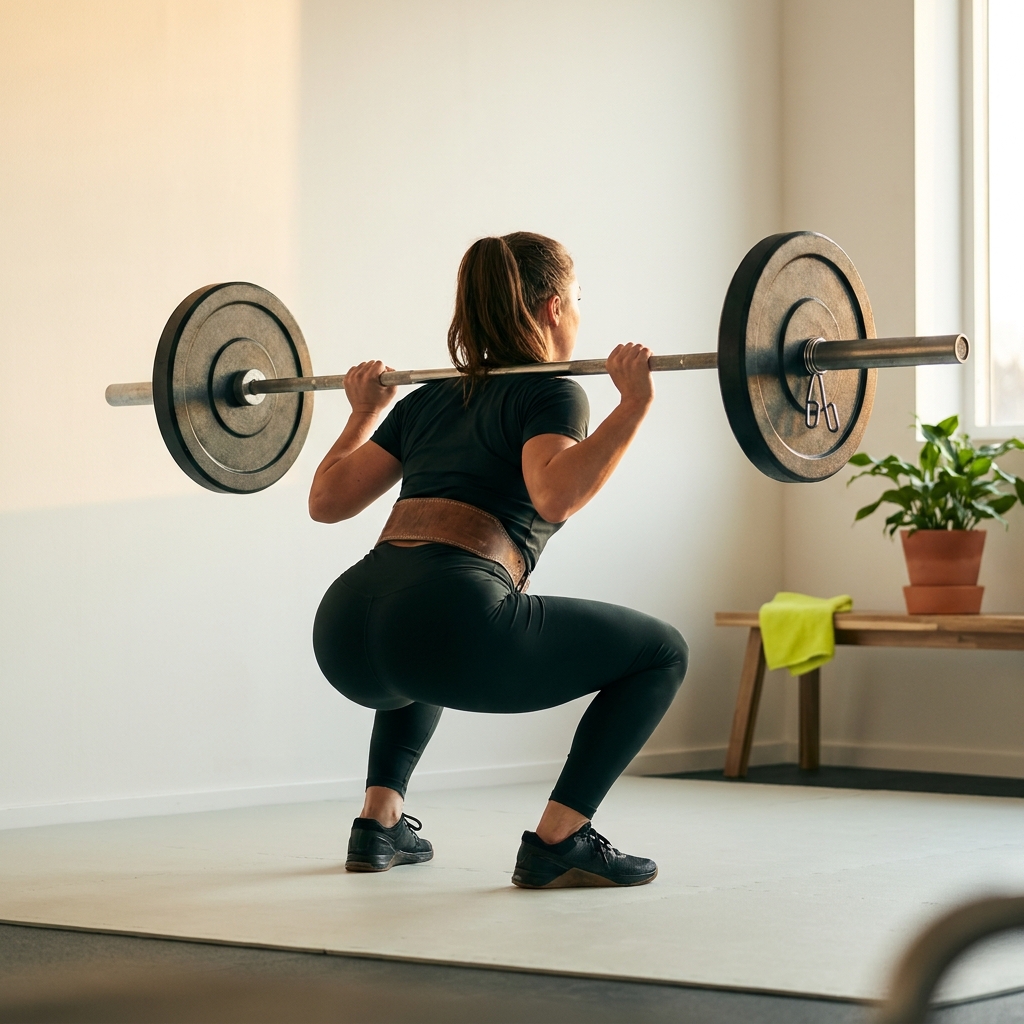
Morning lifting: make it feel good
- Warm up longer. You’re cooler and stiffer on waking; add 5-10 minutes of dynamic mobility and ramp-up sets. Try our 5-minute warm-up ideas to get started quickly: What are some good 5-minute warm-ups to do before lifting weights? (/articles/how-to-warm-up-before-lifting-weights-5-minute/).
- Eat light if fasted feels flat. A banana with peanut butter, yogurt with fruit, or toast and eggs 1-3 hours before training can stabilize energy. Healthline shares simple pre-workout snack examples and timing (https://www.healthline.com/health/exercise-fitness/working-out-in-the-morning).
- Keep caffeine modest if you’re sensitive, and get some morning light exposure to help your circadian rhythm. Healthline: morning exercise benefits and timing research (https://www.healthline.com/health/exercise-fitness/working-out-in-the-morning).
Evening lifting: safeguards that keep sleep intact
- Finish intense work a few hours before bed. High-intensity sessions too late can make sleep onset harder for some. Healthline: morning vs evening exercise research (https://www.healthline.com/health/exercise-fitness/working-out-in-the-morning).
- Avoid late caffeine if it keeps you up; use a short walk, stretching, or a warm shower to shift into wind-down mode. See Evening workouts: timing, caffeine and winding down (/articles/evening-workouts-timing-caffeine-wind-down/).
- Choose the workload in your training plan rather than assuming an evening session automatically suits heavier lifting.
A simple decision template
- Pick a time that fits the frequency and recovery in your training plan.
- Match goals to timing: compare practical consistency, comfort and sleep at the times available to you.
- Protect sleep: finish late sessions a few hours before bed; keep pre-bed wind-down consistent. Healthline: morning vs evening exercise research (https://www.healthline.com/health/exercise-fitness/working-out-in-the-morning).
- Progress with small steps so big dumbbell jumps never stall you.
Put this into practice
Keep a short record of training time, completion and the following sleep period. Compare a schedule you can sustain, without treating one late or early session as proof that a time of day is best for everyone.
Choose your lifting time this week
FAQ
Will lifting at night ruin my sleep? Not necessarily. Some people sleep fine after evening training, but vigorous sessions too close to bedtime can make falling asleep harder. Finish a few hours before bed and use a wind-down routine. Healthline: morning vs evening exercise research (https://www.healthline.com/health/exercise-fitness/working-out-in-the-morning).
Should I lift fasted in the morning? If you feel good fasted, it can work, and one small study linked pre-breakfast exercise with higher 24-hour fat oxidation. But performance may feel better with a small carb-and-protein snack. Healthline: morning exercise benefits and timing research (https://www.healthline.com/health/exercise-fitness/working-out-in-the-morning).
Can I switch between morning and evening? Yes. Consistent training at any time of day beats inconsistent “perfect timing.” Choose what you can sustain week to week. Healthline: morning exercise benefits and timing research (https://www.healthline.com/health/exercise-fitness/working-out-in-the-morning).

For the sleep side of a training schedule, Talk About Sleep discusses exercise timing. Compare the actual routine and observed sleep rather than treating one session as proof. Exercise and sleep: does the time of day matter?.